
Smart buildings advance Saudi Arabia’s national goals by improving energy efficiency, enhancing digital infrastructure, and boosting long‑term operational performance—directly supporting Vision 2030’s focus on a more efficient and accountable economy.
By replacing manual operations with connected systems and data‑driven automation, smart buildings optimize energy use, respond intelligently to demand, and maintain consistent performance over time. This transforms buildings into measurable, manageable assets capable of delivering reliable, long-term service.
Smart buildings are now an essential national infrastructure in Saudi Arabia, rather than an optional technology. This shift is due to the massive scale of giga-projects, which demand a level of integration and efficiency that traditional construction methods cannot achieve.
Developments such as NEOM and Qiddiya are the primary theaters for smart building deployment. These developments are built from the start to function as intelligent systems that learn and predict needs, allowing buildings to communicate with their surroundings to manage energy, waste, and mobility.
Saudi Arabia is looking to revolutionize the aviation sector by ensuring the efficiency, safety, and sustainability of its operations, as well as the comfort of travellers, through the adoption of advanced technologies in airports, including smart gates and automated baggage handling.
Driven by Saudi Vision 2030, smart hospitals, such as the King Faisal Specialist Hospital & Research Centre, use integrated systems to provide specialized services and improve diagnostic accuracy.
Saudi Arabia’s commitment to environmental stewardship is underscored by the Saudi Green Initiative (SGI), which targets a reduction of carbon emissions by 278 million tonnes per year by 2030. Smart buildings are the primary tools for achieving this ambitious decarbonization goal in the urban sector.
Smart controls reduce unnecessary consumption by matching system output to real demand and preventing common inefficiencies in day-to-day operation.
Operational emissions in buildings are largely driven by the electricity used to run core systems. Smart building controls reduce these emissions by cutting wasted electricity while keeping required performance stable, including comfort and indoor air quality.
They do this by ensuring systems only run when needed, operate at the right output level, and avoid inefficient behaviors such as overcooling, excessive ventilation, and unnecessary cycling.
Smart buildings make it easier to maintain compliance and document performance against national energy-efficiency requirements and building energy codes, including the Saudi Energy Efficiency Center (SEEC) mandates.
Digital intelligence is critical in mega projects, where operations must stay consistent across vast areas, phased handovers, and multiple operating teams. Without a unified platform, performance becomes fragmented and standards differ from one building or district to another.
Integrated building platforms solve this by unifying core systems into a single operational layer, standardizing data and KPIs, and enabling centralized monitoring, analytics, and control. This ensures continuous performance tracking, early detection of issues, and consistent efficiency, comfort, and reliability as the development grows.
The economic rationale for smart building projects extends well beyond initial construction, focusing on the entire asset lifecycle to deliver sustained financial and operational value. The key benefits include:
At Johnson Controls Arabia, we are dedicated to powering the Kingdom’s most ambitious smart building and sustainability initiatives. By delivering integrated digital solutions and energy-efficient systems, we help our clients transform infrastructure into intelligent, high-performing environments that support the goals of Vision 2030.
Through OpenBlue, we enable real-time visibility, analytics, and automated control that support energy efficiency, sustainability reporting, and scalable operations across complex portfolios.
We also deliver building automation solutions that integrate core building systems, including HVAC, lighting, and security, so owners can manage performance consistently across sites instead of operating each facility in isolation.
Contact us today to learn more about our smart building solutions.
Contact us to explore our products, get expert guidance, or find the optimal solution for your operations.

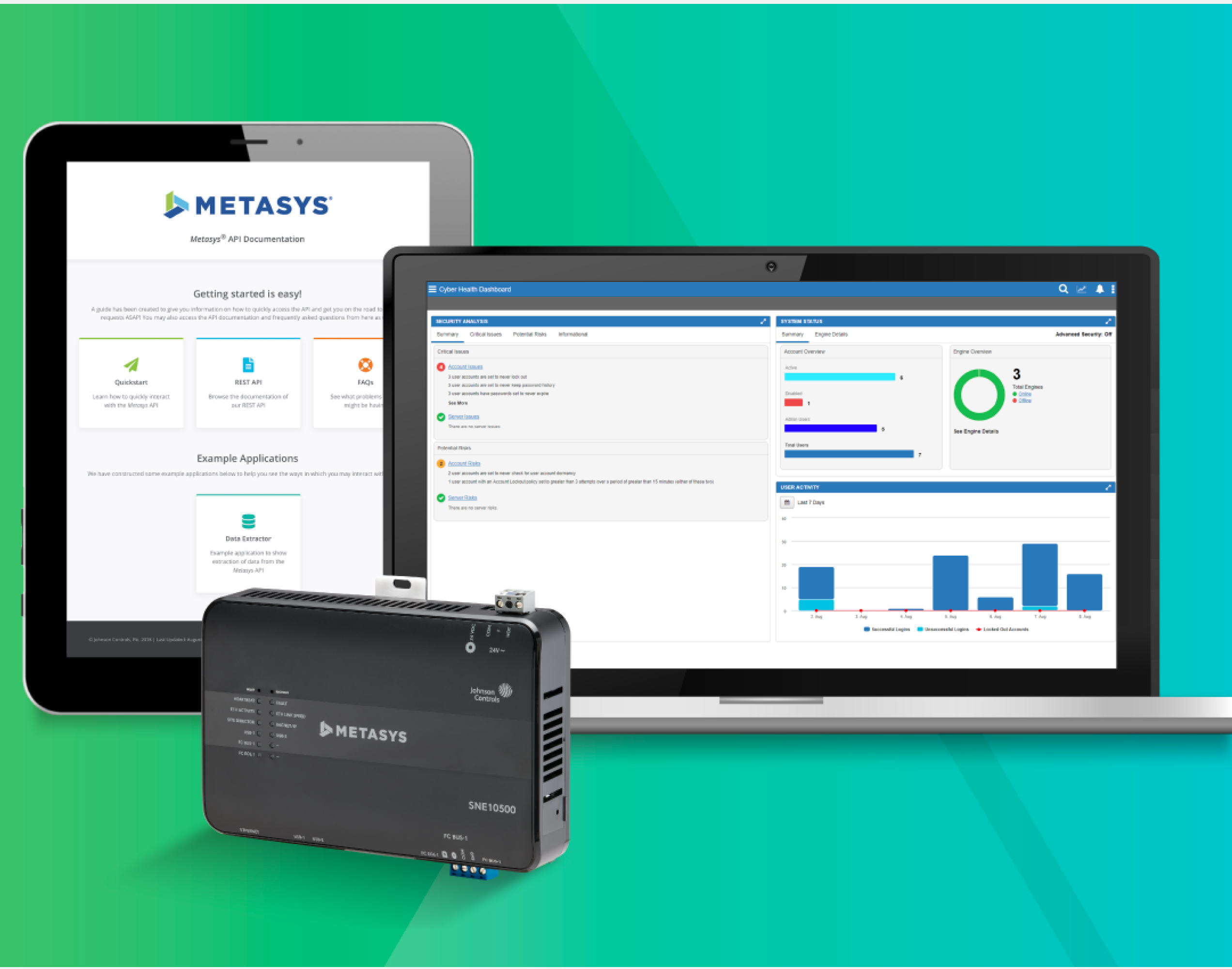
Explore the Metasys Building Automation System by Johnson Controls, a revolutionary solution integrating HVAC, lighting, and security systems into a centralized platform for enhanced energy efficiency, comfort, and operational excellence.

An overview of smart buildings, their technologies, benefits, and how they enhance energy efficiency, sustainability, and occupant comfort.
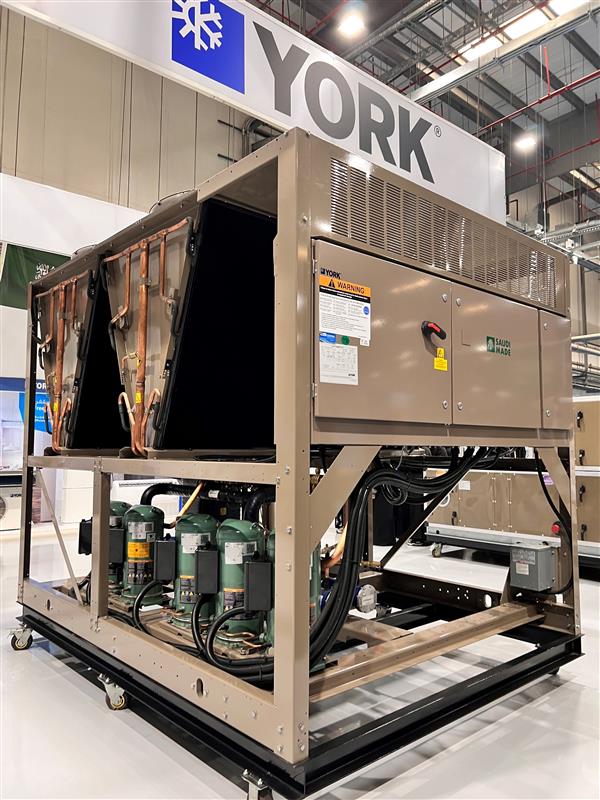
Discover the essential role of HVAC systems in modern infrastructure, including residential and commercial applications, types of systems, and the difference between HVAC and air conditioning.
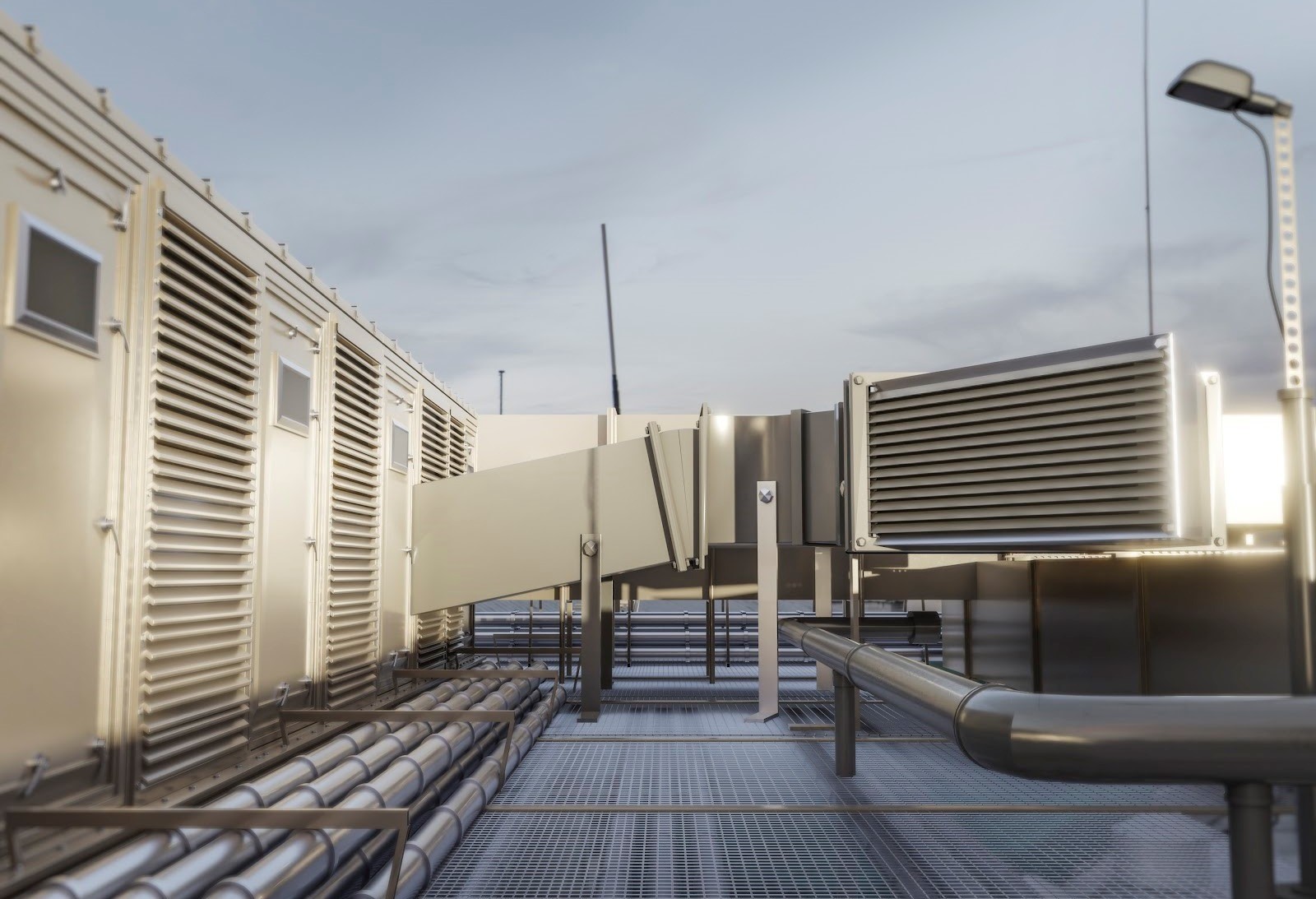
Compare VRF systems and traditional HVAC to find the best solution for your business. Learn about energy efficiency, cost savings, and smart temperature control.
Compare air-cooled and water-cooled chillers to find the best fit for your facility. Learn about how they work, their advantages & limitations.
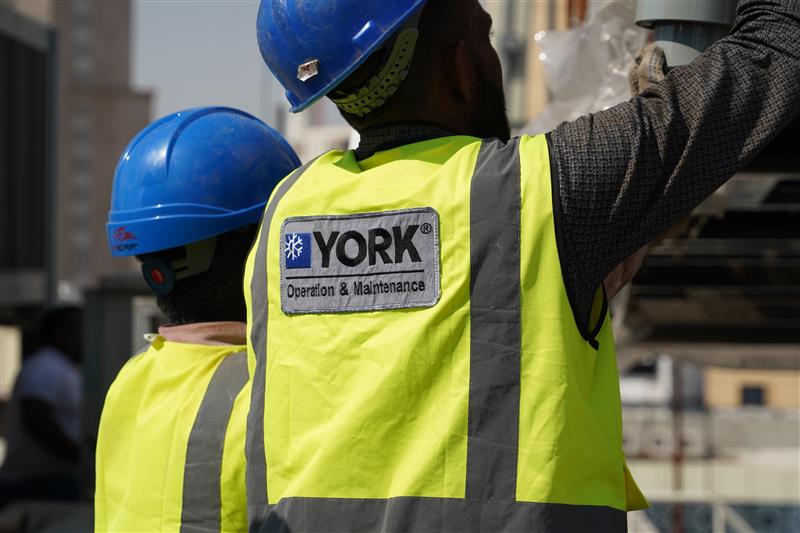
A well-maintained commercial HVAC system plays a significant role in ensuring occupant comfort, maximizing energy efficiency, and creating a healthy indoor environment.
The integration of the Internet of Things (IoT) with Building Automation Systems (BAS) is transforming how buildings are managed, monitored, and optimized