
A smart (or intelligent) building leverages advanced technologies to automatically monitor, control, and optimize its operations. Instead of functioning as isolated systems, it integrates HVAC, lighting, security, energy, fire safety, and occupancy into a connected, data-driven ecosystem.
Powered by IoT, automation, and AI, smart buildings adapt to real-time conditions to enhance energy efficiency, occupant comfort, and overall sustainability.
The main components of a smart building include the systems and technologies that enable monitoring, automation, control, and data-driven decision-making.
A Building Management System (BMS) acts as the central monitoring and management platform for a smart building. It provides facility managers with visibility into building operations through a unified interface.
Typical systems connected to a BMS include:
The system collects operational data continuously and allows operators to monitor conditions, identify inefficiencies, receive alarms, and manage building performance more effectively.
A Building Automation System (BAS) enables automated control of key building functions, including HVAC, lighting, energy usage, and equipment performance. It uses sensors, predefined rules, and real-time data to adjust operations based on occupancy, schedules, and environmental conditions, minimizing the need for manual intervention.
While often used interchangeably, BAS focuses on automation and control, whereas a Building Management System (BMS) provides a broader layer of monitoring, analysis, and overall system management.
IoT-enabled sensors are fundamental to smart building operation because they provide the real-time data needed for monitoring and automation.
Common smart building sensors monitor:
This network of connected sensors enables building systems to react dynamically to real-time conditions. For instance, HVAC can reduce cooling in unoccupied areas, while lighting can automatically adjust based on available daylight.
AI enhances smart buildings with advanced analytics and predictive insights. It analyzes building-wide data to detect issues early, enabling proactive maintenance and optimized performance.
Machine learning continuously improves these insights, leading to better decision-making for energy efficiency, occupant comfort, and overall system performance.
The process typically involves four main stages:
IoT sensors continuously gather data on critical environmental factors such as temperature, humidity, occupancy, and energy usage. This real-time data forms the foundation for intelligent decision-making, allowing building systems to adjust automatically based on changing conditions.
The collected data is sent to the BAS or BMS, where it is processed against operating conditions, schedules, energy targets, and occupancy patterns to determine whether system adjustments are needed.
Once the data is processed, the BAS sends commands to the relevant equipment or control points. These commands turn the analysis into action, allowing the building to adjust operation patterns automatically without requiring manual input for every change.
Smart buildings continuously monitor system performance after adjustments are made. Historical and real-time operational data can be used to identify inefficiencies, support predictive maintenance, optimize equipment schedules, and improve long-term building performance.
Beyond IoT sensors, BMS, and AI, smart buildings integrate a range of advanced technologies that enhance their functionality:
Cloud-based solutions allow smart buildings to store and process large volumes of data remotely. This enables real-time monitoring and management of building systems from anywhere, making it especially valuable for businesses that operate across multiple locations.
A digital twin is a virtual replica of a physical building. It mirrors the building's real-time performance and is used to simulate various scenarios, predict outcomes, and optimize operations without disrupting the actual building.
With edge computing, data processing occurs closer to the source—within the building itself—rather than relying solely on remote cloud systems. This speeds up data processing and reduces the need to send large amounts of data to the cloud, enhancing the building's responsiveness and efficiency.
Smart buildings offer numerous advantages that benefit both building owners and occupants:
Traditional buildings often rely on fixed schedules or manual settings, even when spaces are unoccupied or demand is low. In contrast, smart buildings continuously adjust operations based on real-time conditions, occupancy, and environmental changes, improving efficiency and reducing unnecessary energy use.
By optimizing performance and minimizing waste, smart buildings significantly reduce long-term operating costs. Automated controls limit unnecessary runtime, while continuous monitoring detects inefficiencies early. They also enable predictive maintenance, reducing unexpected failures, improving planning, and extending equipment lifespan.
Smart buildings help organizations improve sustainability performance by reducing energy consumption, optimizing resource use, and lowering carbon emissions. Many smart buildings also support renewable energy integration, water conservation strategies, and compliance with green building standards such as LEED.
Smart building systems provide building managers and decision-makers with real-time data, allowing them to make informed decisions about maintenance, performance, and resource allocation. Predictive insights help prevent costly system failures before they happen.
Smart buildings enhance occupant comfort by enabling personalized control of temperature, lighting, and air quality through intuitive interfaces like mobile apps and voice commands. This flexibility allows environments to adapt to individual preferences, creating a more comfortable and responsive experience for users.
Johnson Controls Arabia delivers advanced building automation solutions that seamlessly integrate HVAC, lighting, security, and more. Our smart technologies are designed to improve efficiency, enhance occupant comfort, and support productivity and sustainability across commercial and residential spaces.
By adopting smart building solutions, you can create more efficient, comfortable environments while contributing to a smarter, more sustainable future.
Contact us today to learn more about our smart building solutions in Saudi Arabia.
Contact us to explore our products, get expert guidance, or find the optimal solution for your operations.

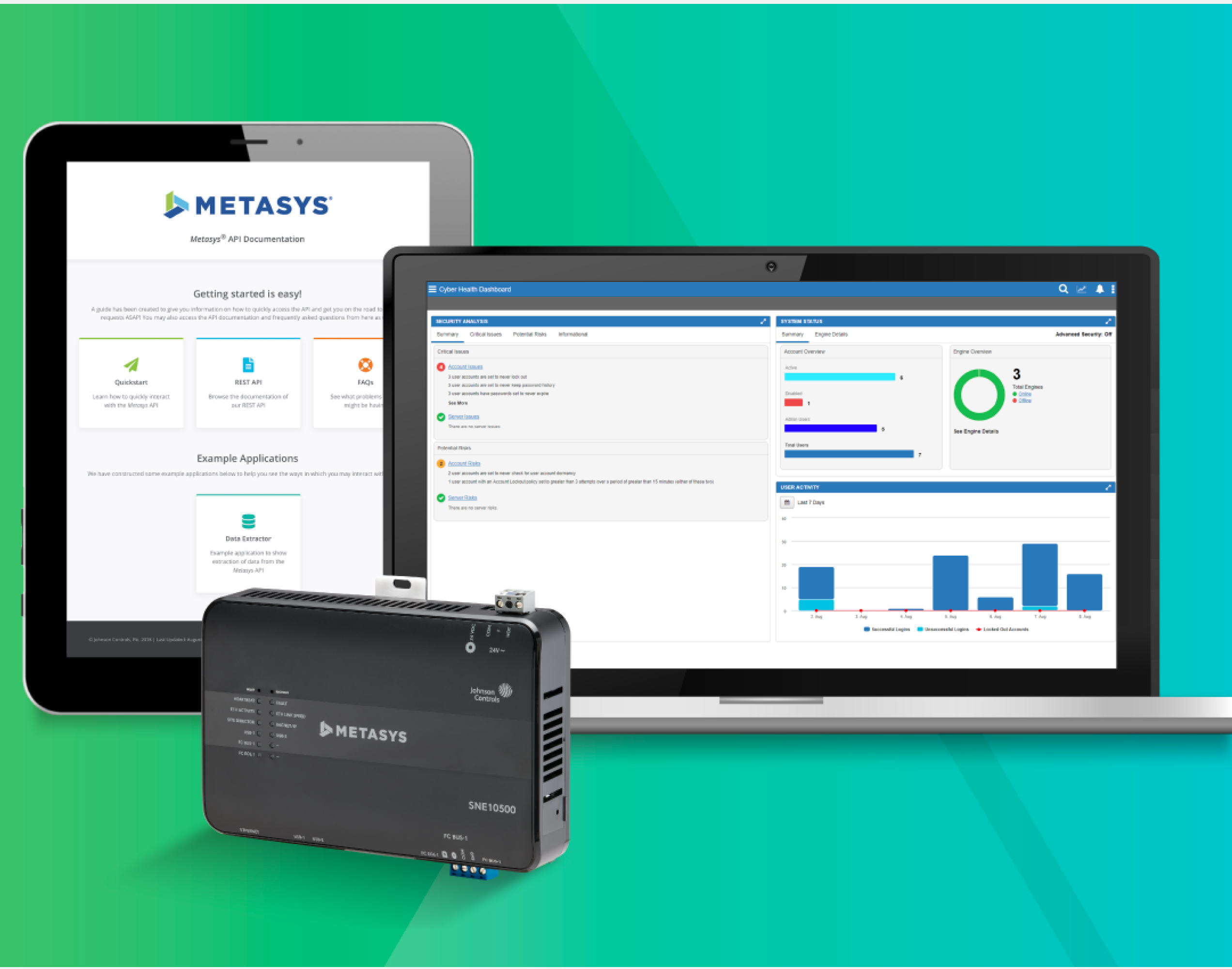
Explore the Metasys Building Automation System by Johnson Controls, a revolutionary solution integrating HVAC, lighting, and security systems into a centralized platform for enhanced energy efficiency, comfort, and operational excellence.
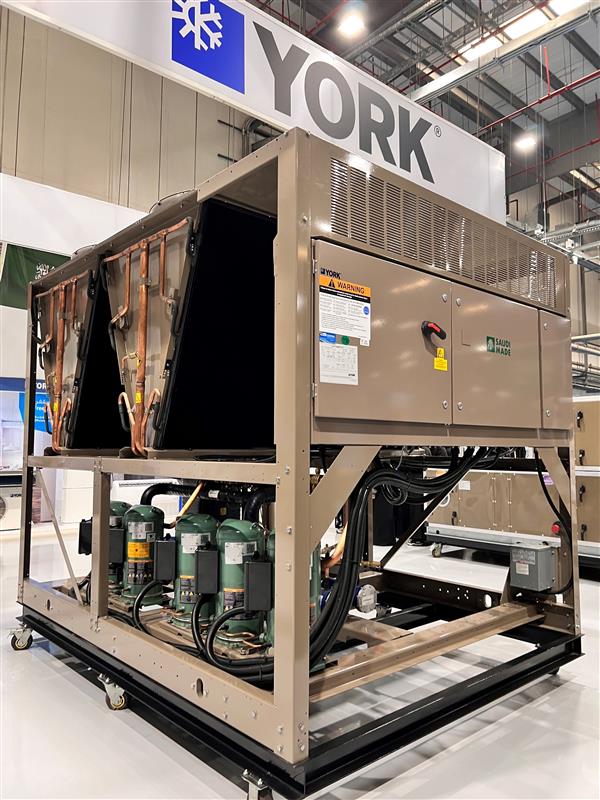
Discover the essential role of HVAC systems in modern infrastructure, including residential and commercial applications, types of systems, and the difference between HVAC and air conditioning.

An overview of HVAC systems in data centers, exploring their types (CRAC & CRAH), challenges, and key considerations.