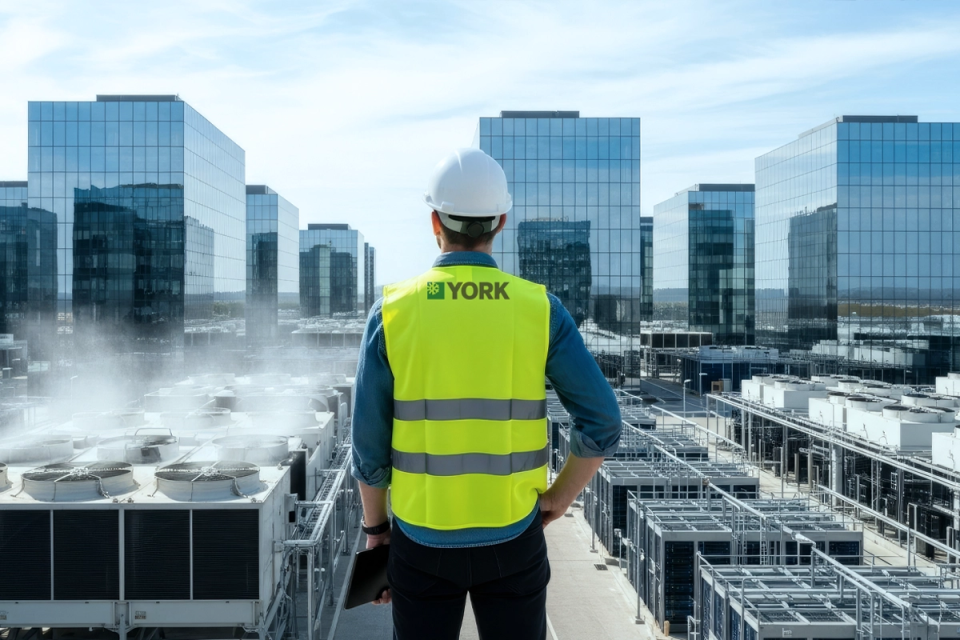
As urban development and climate challenges intensify across the GCC and beyond, the need for efficient, scalable, and environmentally conscious cooling solutions has never been more urgent.
Two primary approaches dominate the conversation: district cooling and traditional cooling systems. While both serve the same purpose, delivering indoor comfort, they differ in how they operate, scale, and impact the environment.
This article breaks down how each system works, compares their performance, costs, and environmental impact, and helps you determine which cooling solution is best suited for your facility.
While both district cooling and traditional systems aim to provide reliable indoor comfort, they differ significantly in design, operation, and application. Understanding how each system functions is key to making informed decisions about cooling solutions in modern facilities.
Traditional cooling systems are self-contained setups installed at the individual building level. These systems are commonly found in residential, commercial, and low-rise developments where each structure is responsible for its own climate control.
Key characteristics include:
Independent HVAC Equipment
Each building, or in some cases, each floor or zone, relies on its own air-conditioning units. These may include rooftop units (RTUs), VRF systems, or standalone chillers.
Decentralized Operation
The system functions independently, with no integration or coordination across neighboring buildings. Equipment selection, control logic, and efficiency vary from one facility to another.
Refrigerant-Based Cooling
Traditional cooling systems use refrigerants to absorb heat from indoor air, release it outdoors via condensers, and circulate cooled air or chilled water to occupied spaces.
Facility-Specific Maintenance
Maintenance and performance management are handled on a per-building basis, often depending on the facility manager’s capacity to oversee technical upkeep and optimize system efficiency.
While traditional systems offer autonomy and simpler installation for standalone facilities, they can become less efficient at scale due to lack of centralized load management or energy optimization.
District cooling is a centralized approach to air conditioning, where chilled water is produced at a central plant and distributed to multiple buildings through a closed-loop network. This system is especially effective in dense urban developments and large-scale projects where consistent, efficient cooling is essential.
Here's how it works:
District Cooling Plant
A centralized facility houses high-capacity chillers that generate chilled water, typically between 5°C and 7°C. These chillers may operate using electric power, absorption technology, or incorporate sustainable sources such as thermal energy storage or free cooling where feasible.
Distribution Network
Insulated underground pipelines deliver chilled water from the district cooling plant to various buildings across the facility. A parallel return pipeline carries warm water back for re-cooling, which creates a closed-loop operation.
Building Interface
Within each building, the chilled water passes through heat exchangers or coils that connect to the internal HVAC systems such as fan coil units or air handling units to deliver cooling to the indoor spaces.
Optimized Load Management
By serving multiple buildings with diverse usage patterns, the district cooling systems can balance cooling demand, reduce peak loads, and enhance energy efficiency. Thermal storage can be incorporated to shift cooling production to off-peak hours, further optimizing performance.
The table below offers a side-by-side comparison of district cooling and traditional systems, highlighting their relative strengths and limitations.
Environmental performance is a key factor when choosing between district and traditional cooling systems, especially as sustainability standards continue to rise across the region.
District cooling significantly reduces greenhouse gas emissions. Centralized plants are designed to operate at peak efficiency and often integrate advanced control systems and high-performance chillers. Load balancing across buildings reduces the need for overcapacity and wasteful energy usage.
Traditional systems vary widely in performance. While modern units can be energy efficient, especially in smaller buildings, they generally lack the load-sharing and system-wide optimization found in district cooling, which can affect overall energy consumption depending on scale and usage patterns.
District cooling plants that use evaporative cooling tend to manage water use more efficiently by leveraging advanced controls and, in some cases, alternative water sources like treated greywater. Traditional systems with cooling towers may consume more water per building, though newer technologies and improved system design can help reduce this impact.
For developers, property managers, and large-scale operators, district cooling presents several strategic benefits that go beyond energy efficiency.
Smaller Equipment Footprint
Without the need for individual chillers, cooling towers, or large mechanical rooms, buildings can reclaim valuable space for other uses.
Lower Operating Costs Over Time
While initial investment may be higher, centralized systems typically result in more stable and efficient long-term costs.
Consistent Cooling Performance
Central plants are designed for reliability, offering consistent output and fewer service disruptions compared to isolated systems.
More Flexibility in Building Design
The absence of bulky rooftop or mechanical equipment gives architects and planners greater freedom when designing or repurposing space.
The decision between district and traditional cooling depends on several factors, including project size, long-term goals, infrastructure availability, and operational priorities.
District Cooling is well-suited for:
Traditional Cooling remains a strong choice for:
At Johnson Controls Arabia, we’re proud to support the region’s shift toward sustainable and efficient cooling solutions. Our expertise in delivering large-scale, high-performance systems allows us to partner on some of the most impactful district cooling projects in Saudi Arabia.
In partnership with City Cool and ADC Energy Systems, we’re delivering a state-of-the-art district cooling plant with a total capacity of 21,000 refrigeration tons to support the Multaka Al Madinah, Madinah Hub area.
This project follows a BOOT model (Build–Own–Operate–Transfer). As part of our role, we’re supplying YORK® high-efficiency chillers, engineered to deliver optimal cooling capacity while maximizing energy savings across the network.
The plant will serve a Hilton hotel tower, the branded residence tower, and the mall, delivering chilled water through a centralized distribution system.
This project directly supports Saudi Arabia’s Vision 2030 by contributing to more resilient, future-ready infrastructure in one of the Kingdom’s most strategic cities.
Contact us today to learn more about our district cooling systems.
Contact us to explore our products, get expert guidance, or find the optimal solution for your operations.

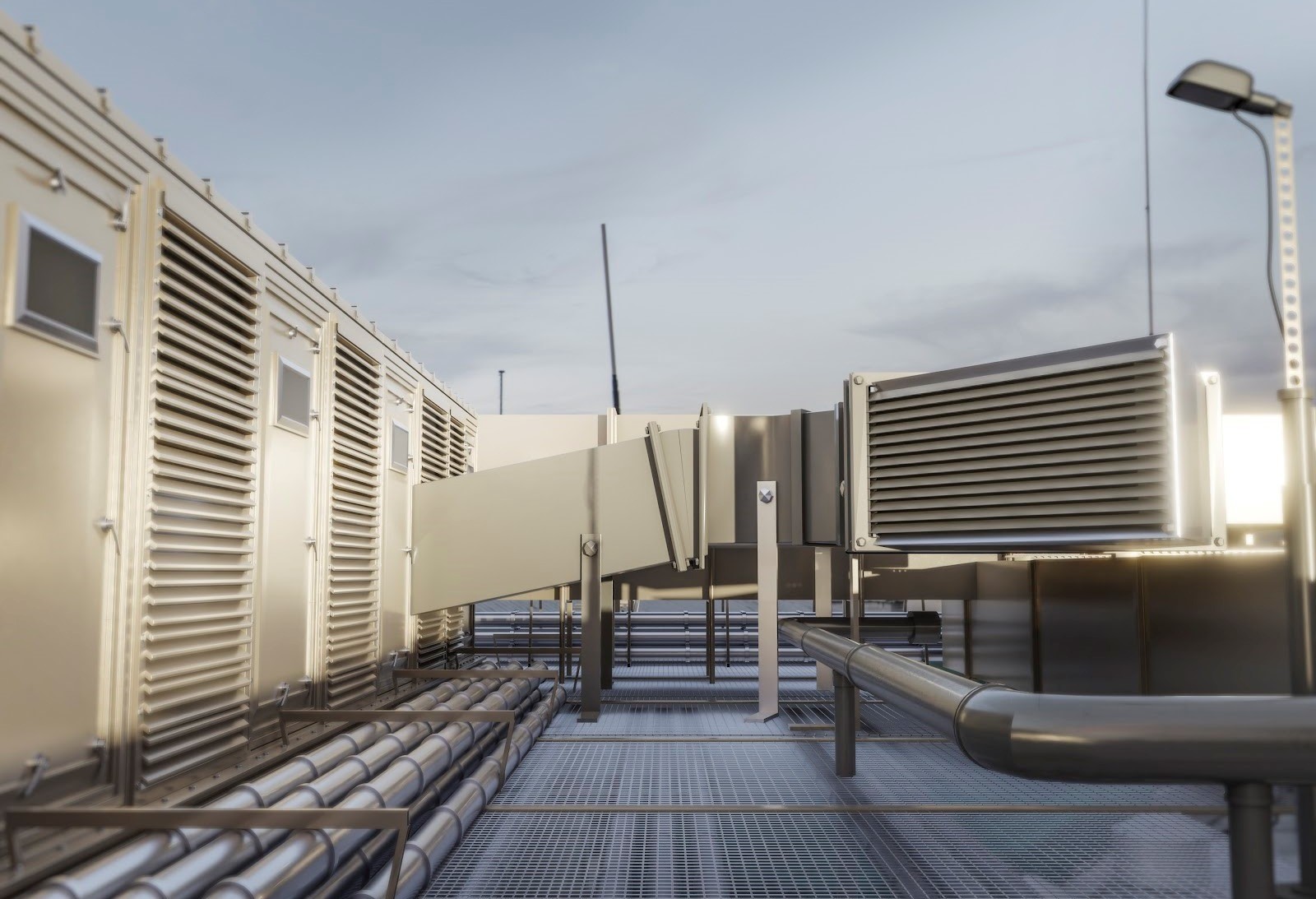
Compare VRF systems and traditional HVAC to find the best solution for your business. Learn about energy efficiency, cost savings, and smart temperature control.
Compare air-cooled and water-cooled chillers to find the best fit for your facility. Learn about how they work, their advantages & limitations.
The integration of the Internet of Things (IoT) with Building Automation Systems (BAS) is transforming how buildings are managed, monitored, and optimized
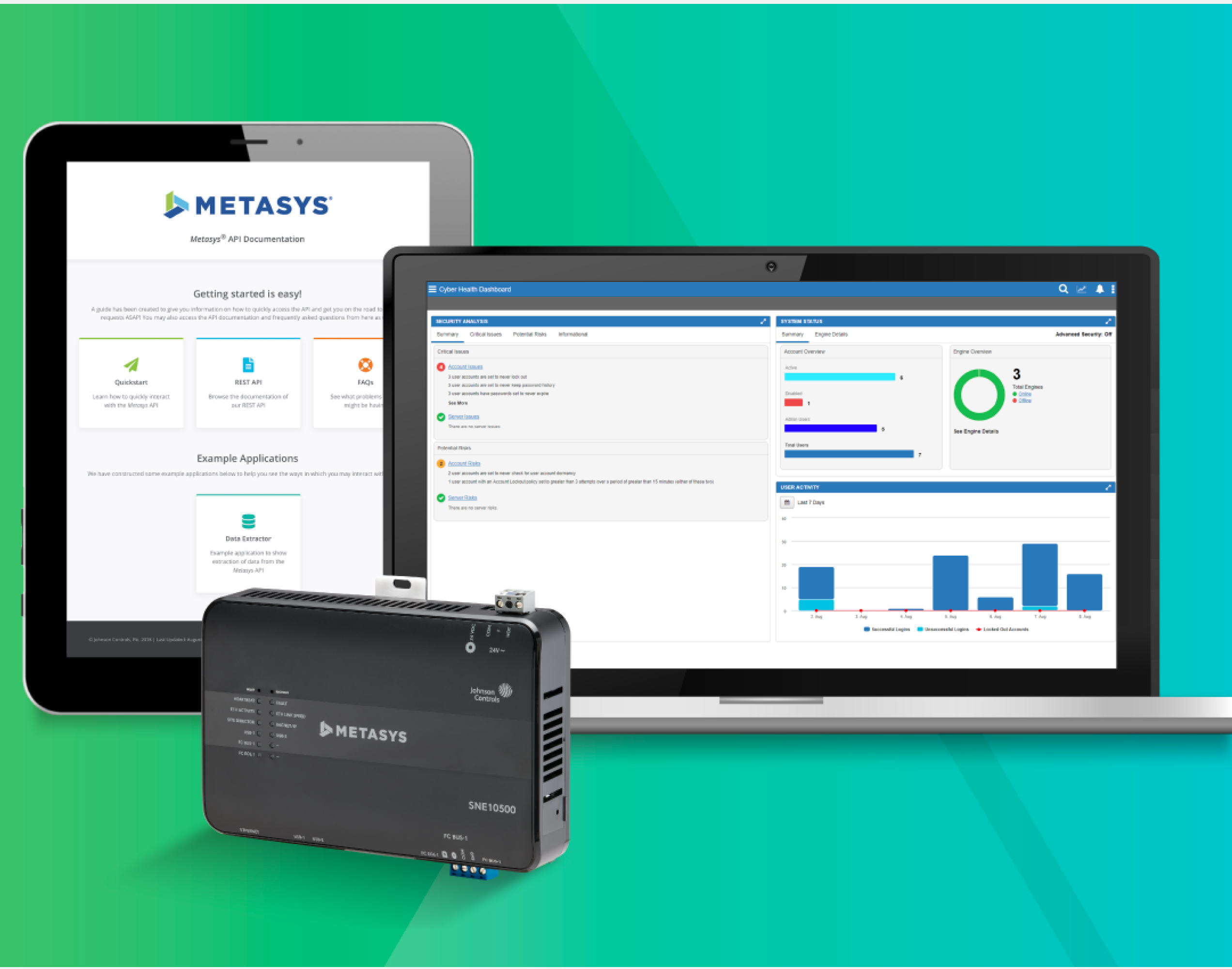
Explore the Metasys Building Automation System by Johnson Controls, a revolutionary solution integrating HVAC, lighting, and security systems into a centralized platform for enhanced energy efficiency, comfort, and operational excellence.
An overview of smart buildings, their technologies, benefits, and how they enhance energy efficiency, sustainability, and occupant comfort.
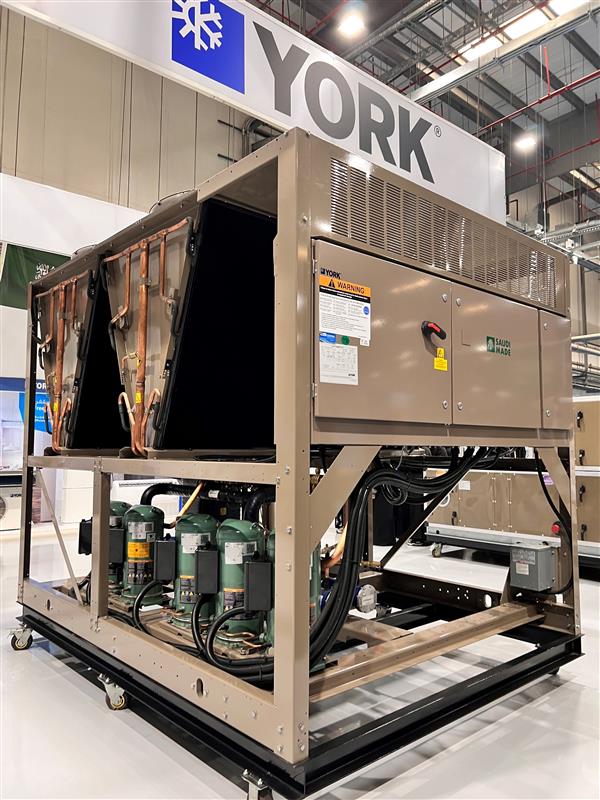
Discover the essential role of HVAC systems in modern infrastructure, including residential and commercial applications, types of systems, and the difference between HVAC and air conditioning.
A well-maintained commercial HVAC system plays a significant role in ensuring occupant comfort, maximizing energy efficiency, and creating a healthy indoor environment.



