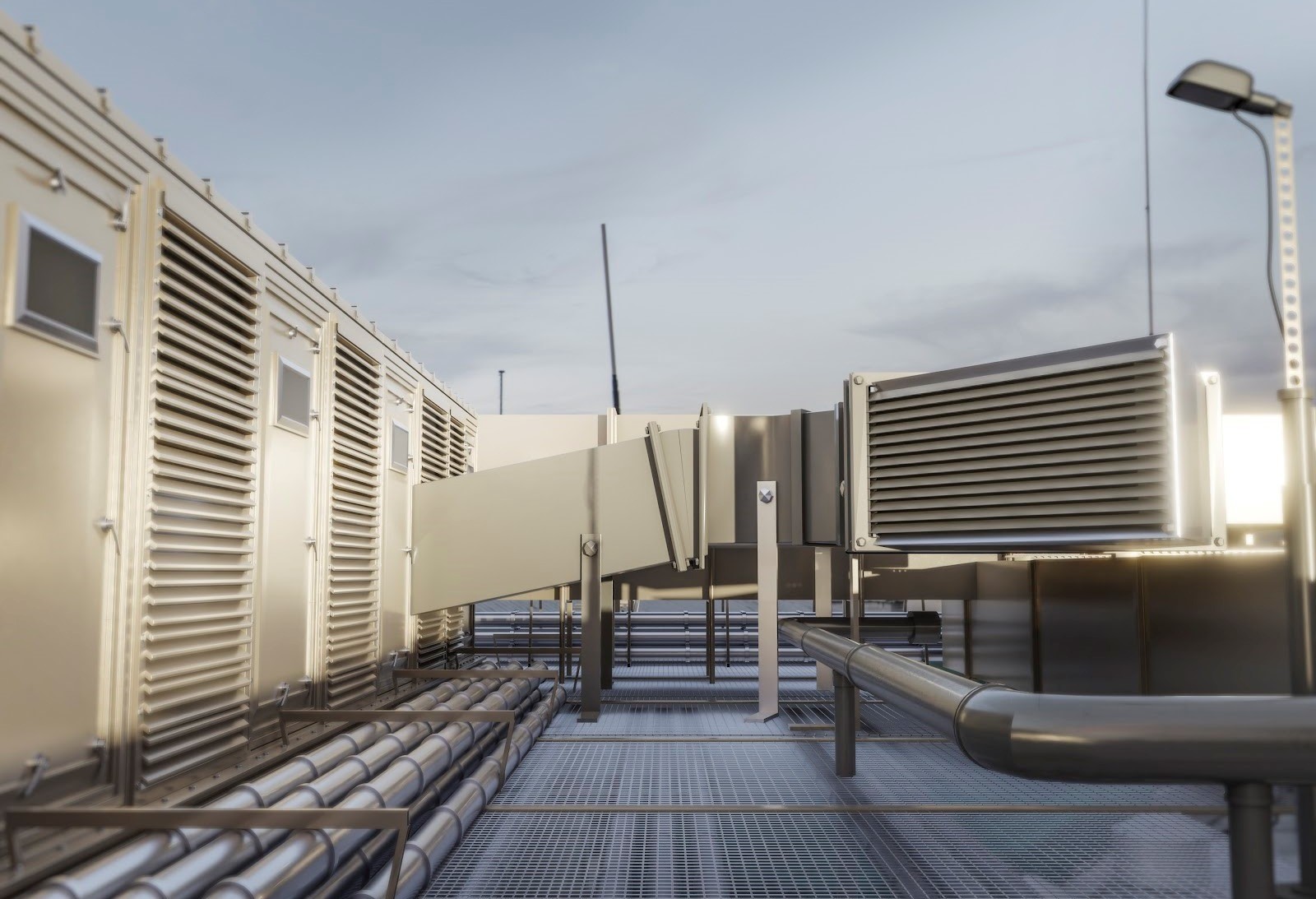
When selecting heating, ventilation, and air conditioning (HVAC) solutions for commercial spaces, businesses typically choose between traditional HVAC systems and Variable Refrigerant Flow (VRF) systems. Although both options are designed to regulate indoor temperatures and ensure occupant comfort, they differ significantly in how they operate and in the level of energy efficiency they deliver.
Variable Refrigerant Flow (VRF) systems are advanced HVAC solutions designed to deliver simultaneous heating and cooling across multiple zones. Unlike traditional systems that rely on a single large air handler to condition an entire space, VRF systems connect multiple indoor units to a central outdoor unit. Each indoor unit operates independently, enabling different rooms or zones to maintain customized temperature settings based on their specific requirements.
The key benefits of VRF systems include:
VRF systems operate on an as-needed basis, modulating refrigerant flow to adjust cooling and heating output based on demand. This reduces energy waste compared to traditional HVAC systems that cycle on and off at full capacity.
Businesses with diverse spatial needs benefit from VRF's ability to customize temperature settings for different rooms or sections.
VRF systems minimize the need for extensive duct installations, helping reduce air leaks, installation complexity, and duct-related maintenance.
VRF indoor units are compact and operate quietly, making them ideal for offices, retail environments, hospitality spaces, and other settings where comfort and noise control matter.
With multiple indoor unit options and reduced duct requirements, VRF systems can be suitable for both new commercial projects and retrofit applications.
VRF systems can be used across different building types, from residential developments to large commercial buildings.
VRF systems are widely used in commercial environments such as offices, retail stores, and shopping centers. These buildings often require different temperature settings across multiple zones, making VRF systems a practical solution for improving comfort and energy efficiency.
In residential settings, VRF systems are used in villas, apartments, and multi-unit developments, offering individual temperature control, quiet operation, and minimal ductwork—ideal for modern homes.
VRF systems are widely used in mixed-use developments, where they efficiently support different spaces by providing simultaneous heating and cooling tailored to varying needs.
Schools, universities, and training centers use VRF systems to maintain comfortable learning environments across classrooms, lecture halls, libraries, and administrative offices while supporting energy-efficient operation.
Hotels, serviced apartments, and resorts benefit from VRF systems because they allow guests to independently control room temperatures while maintaining quiet indoor operation and efficient energy usage.
Traditional HVAC systems rely on centralized equipment—such as rooftop units, chillers, or split systems—to condition air, which is then distributed through ductwork. While they offer less zonal flexibility than VRF systems, they remain a reliable and efficient choice for large spaces or buildings with consistent occupancy.
Traditional HVAC systems offer several benefits, including:
Because traditional HVAC systems are widely used, maintenance technicians, replacement parts, and service expertise are generally easy to access.
Buildings with large open-plan layouts, such as warehouses, auditoriums, or retail halls, can benefit from centralized air distribution and high-capacity cooling systems.
For older buildings or facilities with established duct networks, upgrading or expanding a traditional HVAC system may be more practical than transitioning to a fully ductless VRF setup.
While traditional HVAC systems remain effective for many applications, Variable Refrigerant Flow (VRF) systems offer several advantages for businesses seeking better energy performance, comfort, and flexibility.
One of the most compelling reasons businesses opt for VRF systems is their ability to enhance energy efficiency while reducing operational costs. Here's how:
Traditional HVAC systems run at full capacity regardless of demand, leading to wasted energy. VRF systems, however, utilize inverter-driven compressors that adjust speed and output based on real-time needs. This results in significant energy savings, especially in commercial spaces where occupancy fluctuates.
Frequent cycling on and off can lead to premature wear in traditional HVAC systems. In contrast, VRF units operate continuously but at variable speeds, reducing strain on components and extending system lifespan.
Since VRF systems have fewer moving parts and eliminate extensive ductwork, they require less maintenance compared to conventional HVAC setups. Businesses can save on service and repair costs over time.
Selecting the right VRF system for your business requires careful consideration of several factors. Here are some essential steps to guide your decision:
Assess Your Space Requirements: Evaluate the total area of your building, the number of zones requiring individual temperature control, and any special conditions such as high heat loads in server rooms.
Determine Heating and Cooling Needs: Different VRF systems offer varying capacities for simultaneous heating and cooling. Consider whether your business requires year-round comfort adjustments, especially in mixed-use buildings where different areas may have distinct temperature requirements.
Check Compatibility with Existing Infrastructure: If your building already has ductwork or other HVAC components, assess whether a hybrid solution might be more cost-effective. Some VRF systems can integrate with existing setups to optimize performance without complete replacement.
At Johnson Controls Arabia, we take pride in offering cutting-edge VRF solutions tailored to meet the diverse needs of businesses in the region. Our advanced VRF systems deliver superior energy efficiency, zonal temperature control, and seamless integration with modern building management systems.
Partner with us for reliable and future-ready HVAC solutions that ensure long-term value and efficiency.
Contact us to explore our products, get expert guidance, or find the optimal solution for your operations.


Compare air-cooled and water-cooled chillers to find the best fit for your facility. Learn about how they work, their advantages & limitations.
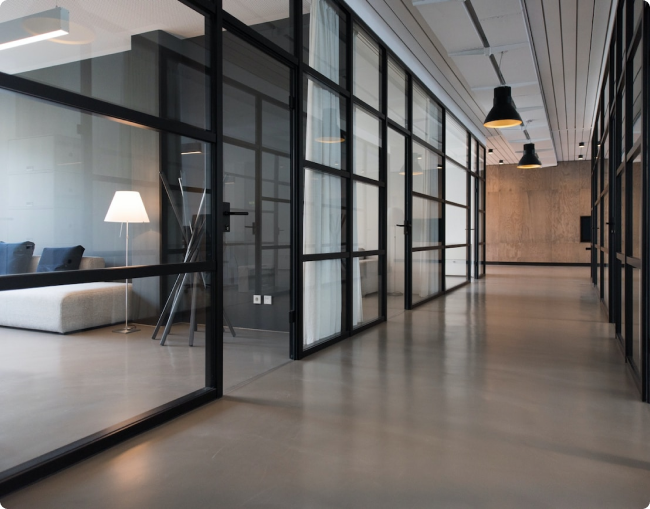
The integration of the Internet of Things (IoT) with Building Automation Systems (BAS) is transforming how buildings are managed, monitored, and optimized
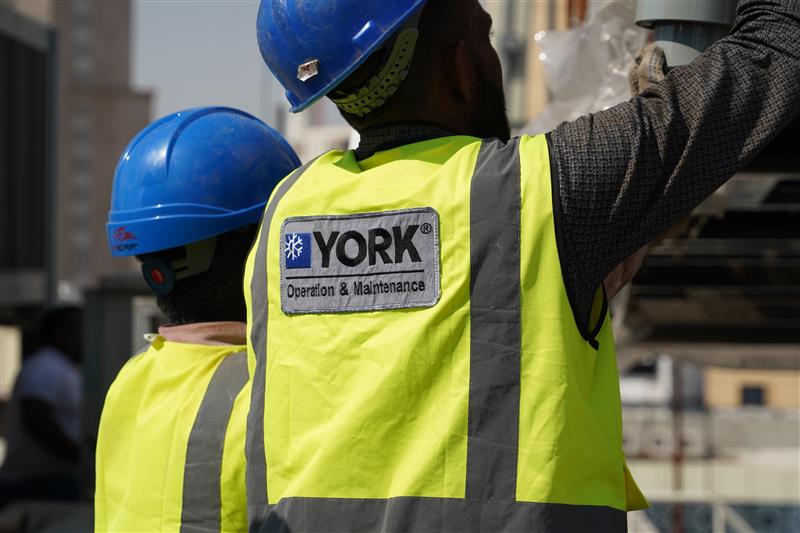
A well-maintained commercial HVAC system plays a significant role in ensuring occupant comfort, maximizing energy efficiency, and creating a healthy indoor environment.
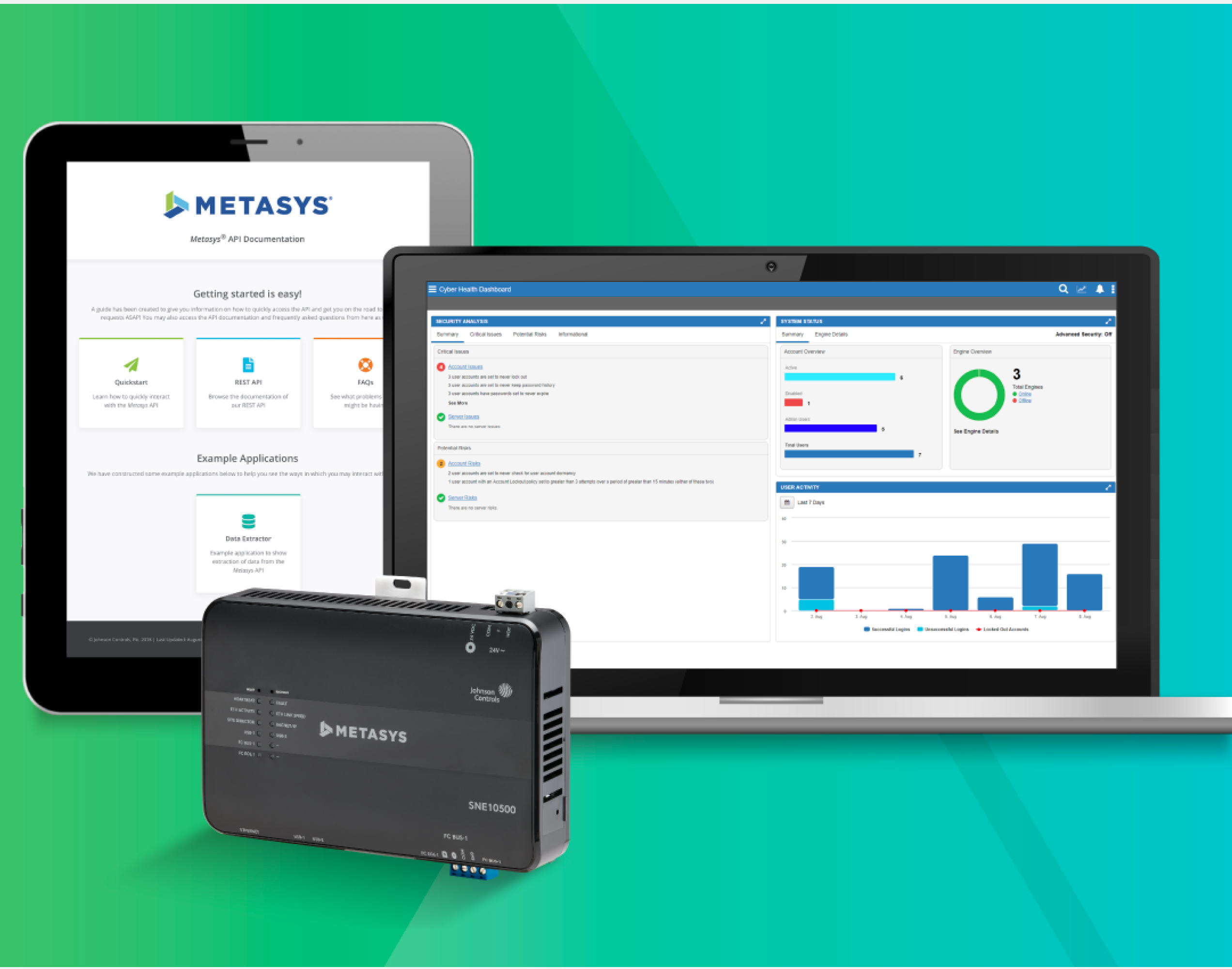
Explore the Metasys Building Automation System by Johnson Controls, a revolutionary solution integrating HVAC, lighting, and security systems into a centralized platform for enhanced energy efficiency, comfort, and operational excellence.

An overview of smart buildings, their technologies, benefits, and how they enhance energy efficiency, sustainability, and occupant comfort.

An overview of HVAC systems in data centers, exploring their types (CRAC & CRAH), challenges, and key considerations.
Discover the essential role of HVAC systems in modern infrastructure, including residential and commercial applications, types of systems, and the difference between HVAC and air conditioning.