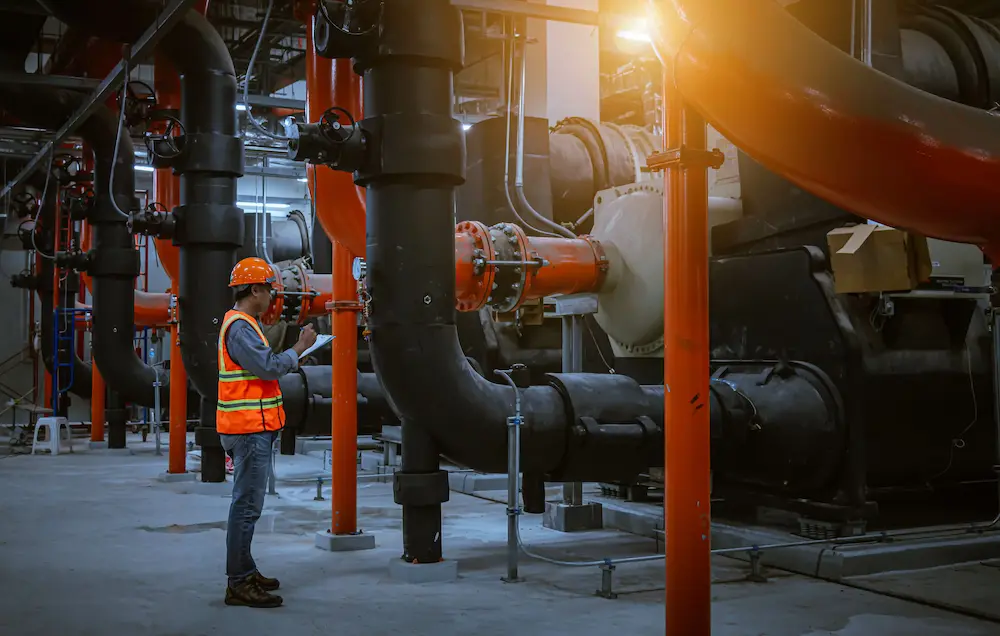
Upgrading an aging chiller system in 2026 delivers a clear return on investment (ROI) through lower energy costs, improved efficiency, reduced maintenance needs, longer equipment lifespan, and long-term sustainability gains.
Modern chiller technologies are designed to operate more efficiently under varying loads, which significantly reduces electricity usage compared to older systems. At the same time, newer equipment requires fewer emergency repairs and supports predictive maintenance strategies that limit downtime.
Many buildings continue operating chillers that were installed decades ago. While these systems may still function, their operating costs often increase significantly over time.
Several factors contribute to rising costs:
Older chillers typically use outdated compressors and controls that operate inefficiently, consuming significantly more energy to deliver the same cooling output.
As equipment ages, components wear out and replacement parts may become obsolete or harder to obtain, increasing the risk of unplanned shutdowns, emergency service calls, and costly repairs.
Many legacy chillers use refrigerants that are now banned or phased out due to environmental regulations. This leads to soaring refrigerant refill costs, limited supply, and potential non-compliance penalties. Older equipment might also struggle to meet newer efficiency standards, creating a liability in regions with strict energy codes.
Investing in a modern chiller immediately boosts energy efficiency, which translates to major cost savings. Today’s chillers incorporate advanced technologies that deliver more cooling for each watt of power:
Modern chiller systems maintain high efficiency at lower cooling loads by adjusting their output to real‑time building needs. Technologies like Variable Speed Drives, intelligent controls, and variable‑speed pumps allow the system to automatically adapt to changing demand, avoiding energy waste during partial‑load operation.
This optimized performance can cut annual energy consumption by up to 30% compared with older systems that operate inefficiently outside peak conditions.
Modern chiller systems use advanced controls, sensors, and BMS integration to continuously optimize performance. These technologies adjust key parameters like temperature and pressure in real time. In some setups, data analytics predict cooling demand for even more responsive operation. This keeps cooling output aligned with actual building needs, reducing energy waste and avoiding the inefficiencies of older manual or fixed‑control systems.
Upgrading a chiller system also supports broader sustainability and environmental goals. Governments and regulators across the Gulf region are encouraging the adoption of energy-efficient technologies.
New chiller systems help organizations meet environmental goals and regulatory requirements in several ways, including:
Reduced energy consumption leads directly to lower greenhouse gas emissions. This is particularly significant in countries such as Saudi Arabia, where air conditioning accounts for a substantial share of electricity demand and power generation remains largely dependent on fossil fuels.
New high-efficiency chillers help meet green building standards and energy codes. Whether it’s local building energy codes, LEED certification requirements, or corporate sustainability metrics, upgraded chiller systems contribute valuable points.
Additionally, demonstrating a reduced carbon footprint aligns with the Saudi Green Initiative and similar programs pushing for sustainable infrastructure.
From a regulatory perspective, installing state-of-the-art chillers in 2026 future-proofs your facility. You’re prepared for upcoming efficiency regulations or refrigerant bans that might be introduced as countries increase climate actions. In short, a new chiller keeps you ahead of compliance curves, so you won’t be caught off-guard by sudden rule changes.
Upgrading a chiller system in 2026 offers a clear financial and operational advantage for building owners. Modern chillers deliver lower lifecycle costs through improved energy efficiency, reduced maintenance requirements, and longer equipment reliability. At the same time, they support sustainability goals and regulatory compliance in a rapidly evolving energy landscape. For facilities operating older cooling infrastructure, investing in a modern chiller system today can strengthen operational resilience, reduce operating expenses, and deliver measurable returns for years to come.
At Johnson Controls Arabia, we support building owners and facility operators in maximizing the return on investment of their cooling infrastructure. By upgrading to advanced chiller systems engineered for demanding climates, our customers can achieve measurable energy savings while strengthening the performance and sustainability of their facilities.
Contact us today to learn more about our chiller solutions.
Contact us to explore our products, get expert guidance, or find the optimal solution for your operations.

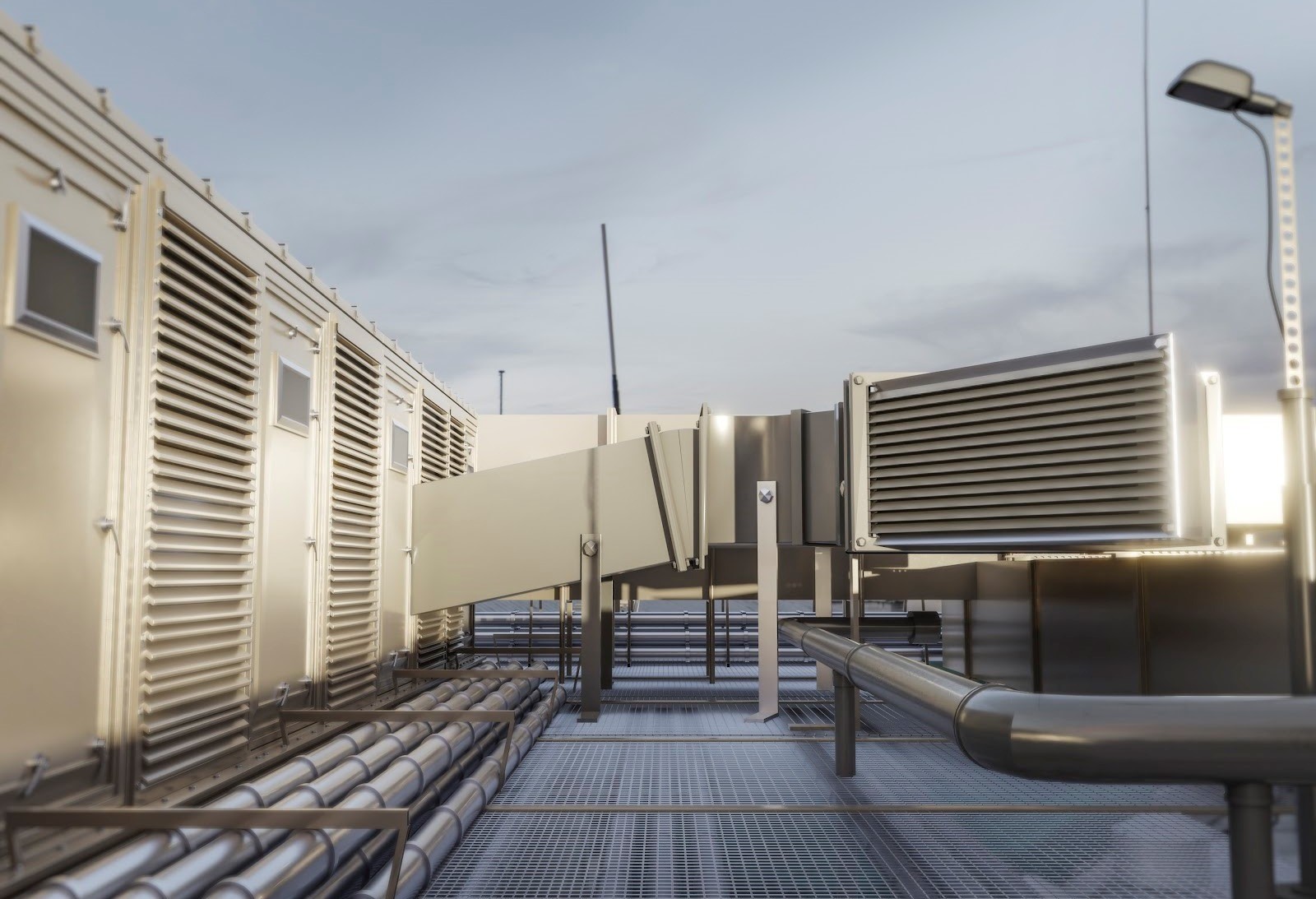
Compare VRF systems and traditional HVAC to find the best solution for your business. Learn about energy efficiency, cost savings, and smart temperature control.
Compare air-cooled and water-cooled chillers to find the best fit for your facility. Learn about how they work, their advantages & limitations.
The integration of the Internet of Things (IoT) with Building Automation Systems (BAS) is transforming how buildings are managed, monitored, and optimized
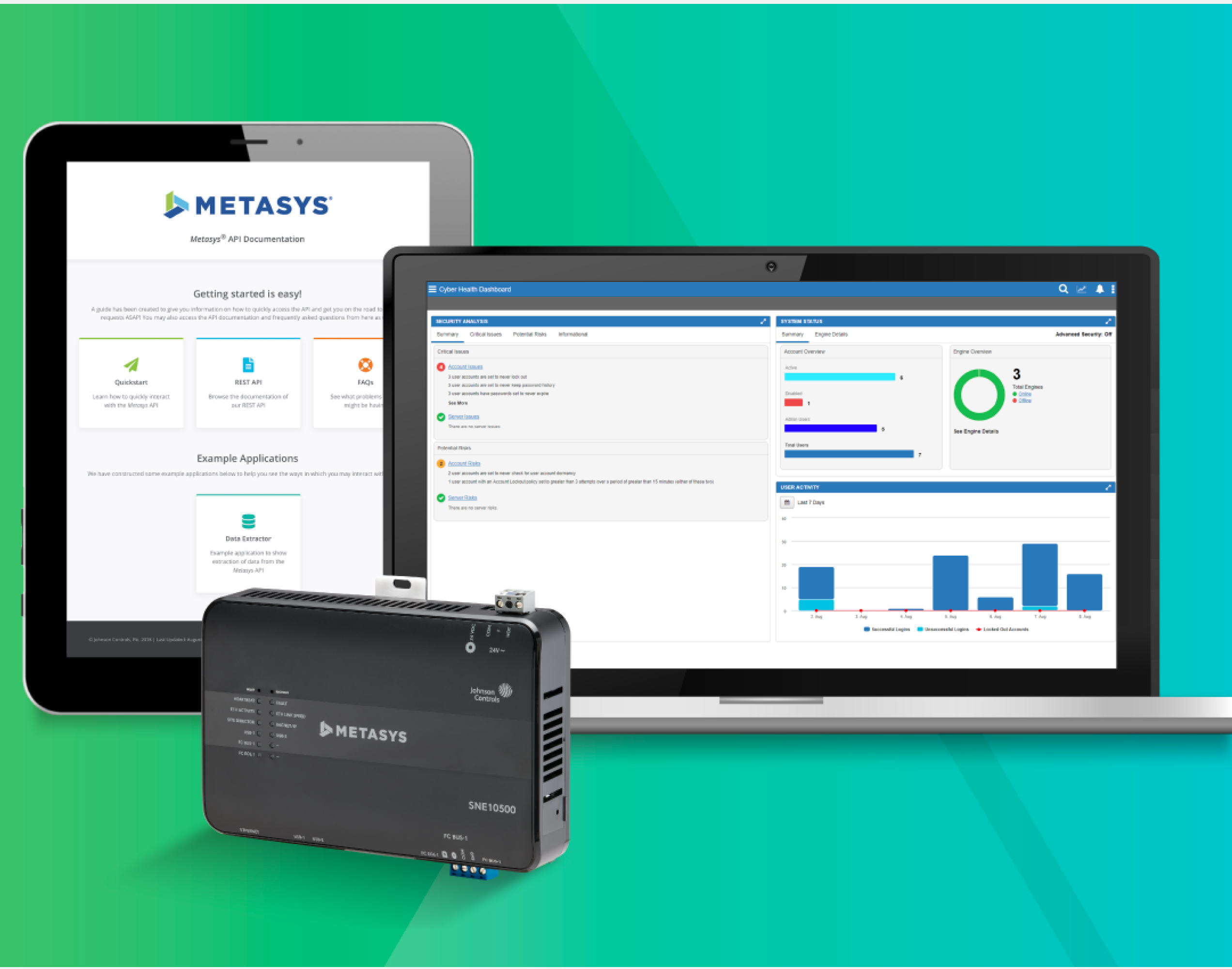
Explore the Metasys Building Automation System by Johnson Controls, a revolutionary solution integrating HVAC, lighting, and security systems into a centralized platform for enhanced energy efficiency, comfort, and operational excellence.
An overview of smart buildings, their technologies, benefits, and how they enhance energy efficiency, sustainability, and occupant comfort.
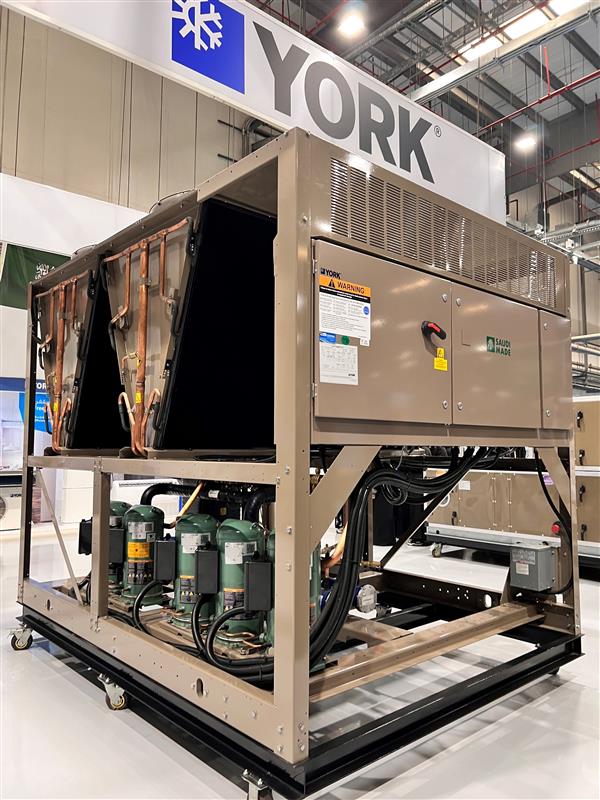
Discover the essential role of HVAC systems in modern infrastructure, including residential and commercial applications, types of systems, and the difference between HVAC and air conditioning.
A well-maintained commercial HVAC system plays a significant role in ensuring occupant comfort, maximizing energy efficiency, and creating a healthy indoor environment.



