
Understanding External Static Pressure in Variable Refrigerant Flow (VRF) Systems
External Static Pressure (ESP) in Variable Refrigerant Flow (VRF) systems refers to the resistance to airflow that a fan must overcome to deliver conditioned air through ducts and other components (e.g., filters, grilles, diffusers).
It's a critical parameter in ducted VRF indoor units and plays a major role in ensuring efficient and balanced air distribution.
A ducted VRF indoor unit operates on the same airflow principles as any air handling unit. The amount of airflow delivered depends on where the fan performance curve intersects the duct system resistance curve.
External Static Pressure is critical for proper system design. It affects:
Fan selection: Indoor units come with built-in blowers rated for specific ESP ranges. Selecting the correct ESP rating is essential based on the ductwork design.
System sizing: ESP determines how much airflow the unit can deliver through the duct system. If the static pressure is higher than what the unit is designed to handle, airflow will drop. If the fan is oversized for the actual pressure, it may cause noise and waste energy.
Flexibility in layout: Medium and high-ESP models allow for longer ducts and more complex layouts, but the pressure must still remain within acceptable limits.
Each air distribution component contributes to the overall external static pressure:
Ductwork
Filters
Diffusers
External static pressure (ESP) directly affects how well a VRF system performs.
ESP directly affects how well air is delivered to each space. If the system faces more resistance than it's designed for, airflow drops. This leads to uneven temperatures between rooms, weak air throw at supply outlets, and inconsistent humidity and ventilation performance. Thus, maintaining proper ESP ensures that every room gets the air it needs for stable, comfortable conditions.
When ESP is too high, fans and blowers must work harder to overcome the added resistance. This means:
When the external static pressure (ESP) exceeds the system's design limits, it can lead to significant acoustic issues. This includes:
VRF systems offer a range of ducted indoor units, each with different ESP ratings to suit various installation needs. Choosing the right ESP rating is essential to maintain proper airflow and system efficiency.
In ducted VRF systems, external static pressure (ESP) directly determines whether the indoor unit can deliver airflow through duct layouts evenly and efficiently.
If total system resistance, caused components like ducts, filters, and diffusers, stays within the unit's ESP capability, airflow remains stable, comfort is maintained, and energy efficiency is preserved.
But if the ESP is not properly calculated, airflow drops, compromising temperature control, increasing fan energy use, raising noise levels, and risking equipment strain.
At Johnson Controls Arabia, we understand how crucial external static pressure is when it comes to getting the most out of any VRF system. That's why our YORK® Mini VRF and Hitachi VRF AC Systems solutions are built with real-world duct conditions in mind, from compact residential setups to light commercial installations with longer duct runs.
We offer units with low, medium, and high-ESP ratings to fit different applications. Our engineering teams will work closely with you during the design phase to ensure that ESP is properly accounted for based on your building's requirements.
Contact us today to learn more about the VRF systems that works better for you.
Contact us to explore our products, get expert guidance, or find the optimal solution for your operations.

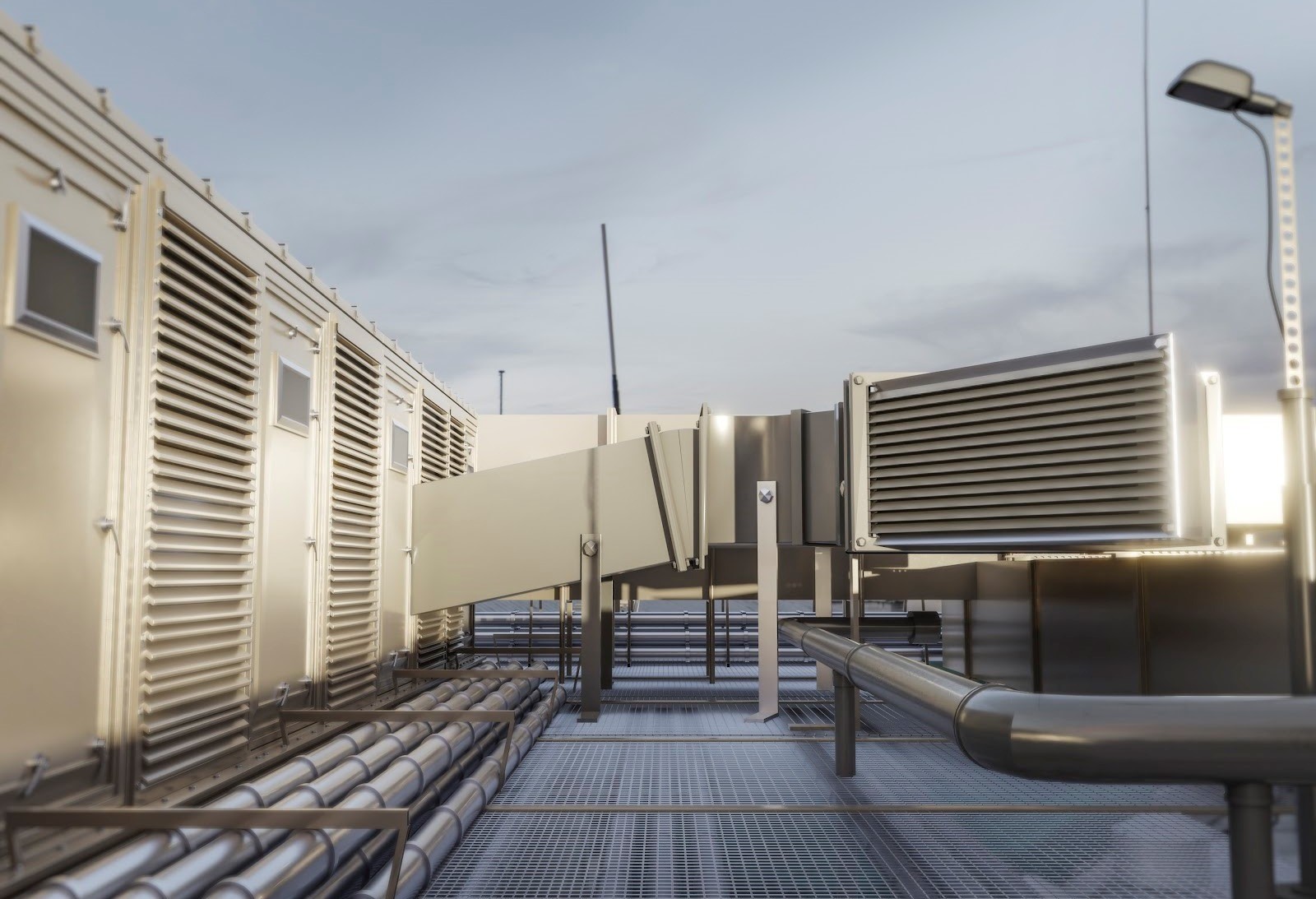
Compare VRF systems and traditional HVAC to find the best solution for your business. Learn about energy efficiency, cost savings, and smart temperature control.

Compare air-cooled and water-cooled chillers to find the best fit for your facility. Learn about how they work, their advantages & limitations.

The integration of the Internet of Things (IoT) with Building Automation Systems (BAS) is transforming how buildings are managed, monitored, and optimized

Explore the Metasys Building Automation System by Johnson Controls, a revolutionary solution integrating HVAC, lighting, and security systems into a centralized platform for enhanced energy efficiency, comfort, and operational excellence.

An overview of smart buildings, their technologies, benefits, and how they enhance energy efficiency, sustainability, and occupant comfort.
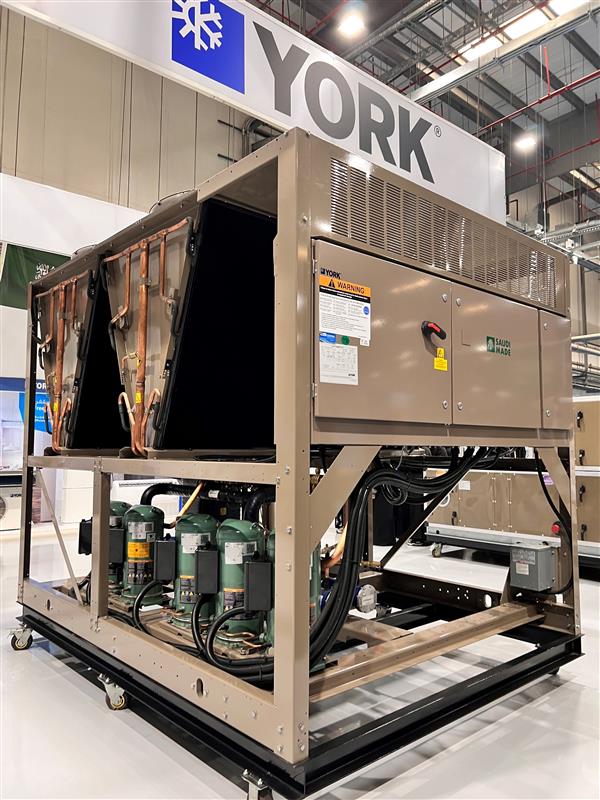
Discover the essential role of HVAC systems in modern infrastructure, including residential and commercial applications, types of systems, and the difference between HVAC and air conditioning.

A well-maintained commercial HVAC system plays a significant role in ensuring occupant comfort, maximizing energy efficiency, and creating a healthy indoor environment.



