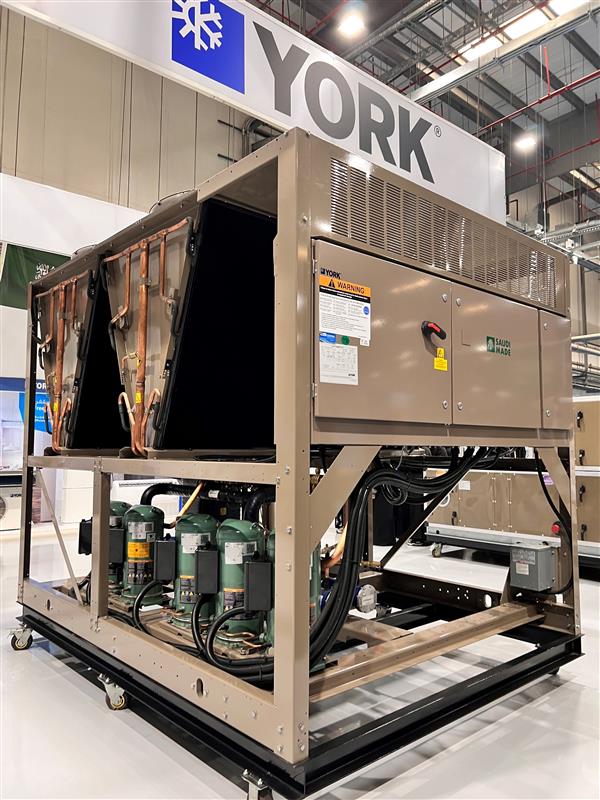
HVAC systems are an essential part of modern infrastructure, tailored to meet the unique needs of different spaces. Whether you're looking to understand how these systems create comfortable residential environments or how they handle the demands of large commercial buildings, this article answers the question “what is HVAC” in detail.
HVAC stands for Heating, Ventilation, and Air Conditioning. They are systems meant to control indoor environments by keeping temperature, humidity, and air quality within the required levels. Beyond maintaining comfortable temperatures in residential and commercial buildings, HVAC systems are critical in environments that house sensitive IT hardware, such as data centers. They create stable indoor climates, supporting the well-being of people and the functionality of crucial technology.
HVAC system relies on several key components that work together to maintain indoor comfort. Each HVAC equipment serves a distinct function, including heating, cooling, ventilation, and air distribution. These include:
Air conditioning systems are responsible for removing heat and humidity from indoor air. The core cycle is based on vapor-compression refrigeration, involving the following:
Heat pumps perform both cooling and heating by reversing the refrigeration cycle. Instead of generating heat, they transfer it. In cooling mode, they operate like standard air conditioners, while in heating mode, they extract heat from outdoor air (or ground/water sources) and deliver it indoors.
Furnaces generate heat through combustion (burning gas or propane) or electricity. They are primarily used in colder climates where heating demand dominates.
Air Handling Units (AHUs) are responsible for air circulation and conditioning within the building. They typically house:
Ductwork is the network of air channels used in an HVAC system to move air throughout a building and is part of the ventilation system in HVAC. It carries cooled or heated air from the equipment to different rooms and returns air back to the system for reconditioning.
Its design, including sizing, layout, insulation, and sealing, directly affects airflow balance, pressure levels, energy efficiency, and overall system performance.
Air purification systems are part of the ventilation system within HVAC, designed to improve indoor air quality by removing or neutralizing contaminants that standard filters may not fully capture.
Thermostats and control systems regulate how and when HVAC equipment operates. They translate user settings and environmental conditions into system actions.
HVAC systems are categorized based on how heating and cooling are produced and delivered. The most common types include:
Split systems use separate indoor and outdoor units connected by refrigerant lines. The indoor unit typically includes an air handler or furnace, while the outdoor unit houses the compressor and condenser. Air is distributed through ductwork, making this the most common setup in residential buildings.
Packaged systems combine all major components into a single unit, usually installed on rooftops or outdoor slabs. They are commonly used in commercial buildings or homes with limited indoor space and are connected to ductwork for air distribution.
They consist of an outdoor unit connected directly to one (single-zone mini splits) or multiple indoor air-handling units (multi-zone mini splits) without the use of ducts. Each indoor unit serves a specific zone or room, allowing for individualized temperature control. Examples of ductless HVAC systems include hi-wall fixed split units, window ACs, and floor-standing ACs.
VRF systems use inverter-driven compressors to adjust refrigerant flow based on real-time demand across multiple zones. They offer precise temperature control and high energy efficiency, making them suitable for large residential and commercial buildings.
Water-cooled chillers rely on a central chiller to produce cold water, which is circulated to air handling units or fan coil units. These systems are used in large-scale applications such as hospitals, airports, and commercial complexes.
Hybrid systems combine a heat pump with a furnace, allowing the system to switch between electricity and fuel depending on outdoor conditions. This improves efficiency and reduces operating costs in regions with varying temperatures.
HVAC systems are deployed across a wide range of environments, including residential, commercial, and industrial buildings, each with distinct operational and performance requirements. The choice of system and configuration is typically driven by occupancy patterns, load variability, air quality standards, and regulatory demands.
In residential settings, HVAC systems are designed to provide consistent thermal comfort, energy efficiency, and ease of control. These systems typically operate at smaller capacities.
Common systems include split systems, ductless mini-splits, and packaged units. Zoning may be used in larger homes to improve comfort and efficiency.
Commercial environments require HVAC systems that can handle variable occupancy, extended operating hours, and larger conditioned spaces. Flexibility and zoning are critical to ensure efficient performance across different areas within the same building.
Typical use cases include offices, retail spaces, hotels, and educational facilities. Systems such as VRF, rooftop packaged units, and chilled water systems are commonly used, depending on building size and complexity.
Industrial HVAC applications are driven less by occupant comfort and more by process requirements, safety, and environmental control. These systems must maintain precise temperature, humidity, and air quality conditions to support production and protect equipment.
Common applications include manufacturing facilities, data centers, warehouses, and laboratories. Systems are often customized to handle high heat loads, ventilation demands, and continuous operation under demanding conditions.
Selecting an HVAC system requires evaluating how well a solution aligns with the building's technical requirements, operating conditions, and long-term performance expectations.
System capacity must match the building's actual load. Undersized systems struggle to maintain the set temperature, especially during peak conditions, while oversized systems cycle inefficiently and waste energy.
The local climate determines how hard the system needs to work and which type is suitable. In hot climates, cooling systems must handle high temperatures for long periods without losing performance. In humid conditions, the system must also remove moisture effectively. In colder climates, the focus shifts to reliable heating capacity.
Efficiency ratings and system design influence operating costs over time. Systems that modulate output, such as inverter-driven systems, typically perform better under varying load conditions.
Available space, building layout, and existing infrastructure determine what systems are feasible. Ductwork and equipment placement all need to be considered early in the selection process.
Some environments require enhanced filtration, ventilation, or humidity control. This is especially relevant in healthcare, hospitality, and high-occupancy buildings.
Buildings with varying usage patterns benefit from zoning capabilities. Systems that allow independent control of different areas improve comfort and reduce unnecessary energy use.
Future expansion or changes in usage should be considered. Systems that can adapt to increased demand or layout changes offer better long-term value.
While the terms HVAC and air conditioning may sometimes be used interchangeably, they refer to different concepts. HVAC is an umbrella term that encompasses heating, ventilation, and air conditioning. It refers to the entire system responsible for managing indoor environments, which includes both heating and cooling functions.
Air Conditioning (AC), on the other hand, is a specific component of an HVAC system. Its sole function is to cool the air by removing heat and humidity. Air conditioning systems can operate independently (as standalone units) or as part of a larger HVAC system.
We offer a wide range of HVAC systems that suit different requirements. From residential buildings and small commercial spaces to data centers and large commercial buildings, our solutions are designed to maximize energy efficiency, enhance performance, and achieve optimal results.
Request a consultation today with one of our HVAC experts to identify the most suitable system for your building.
Contact us to explore our products, get expert guidance, or find the optimal solution for your operations.

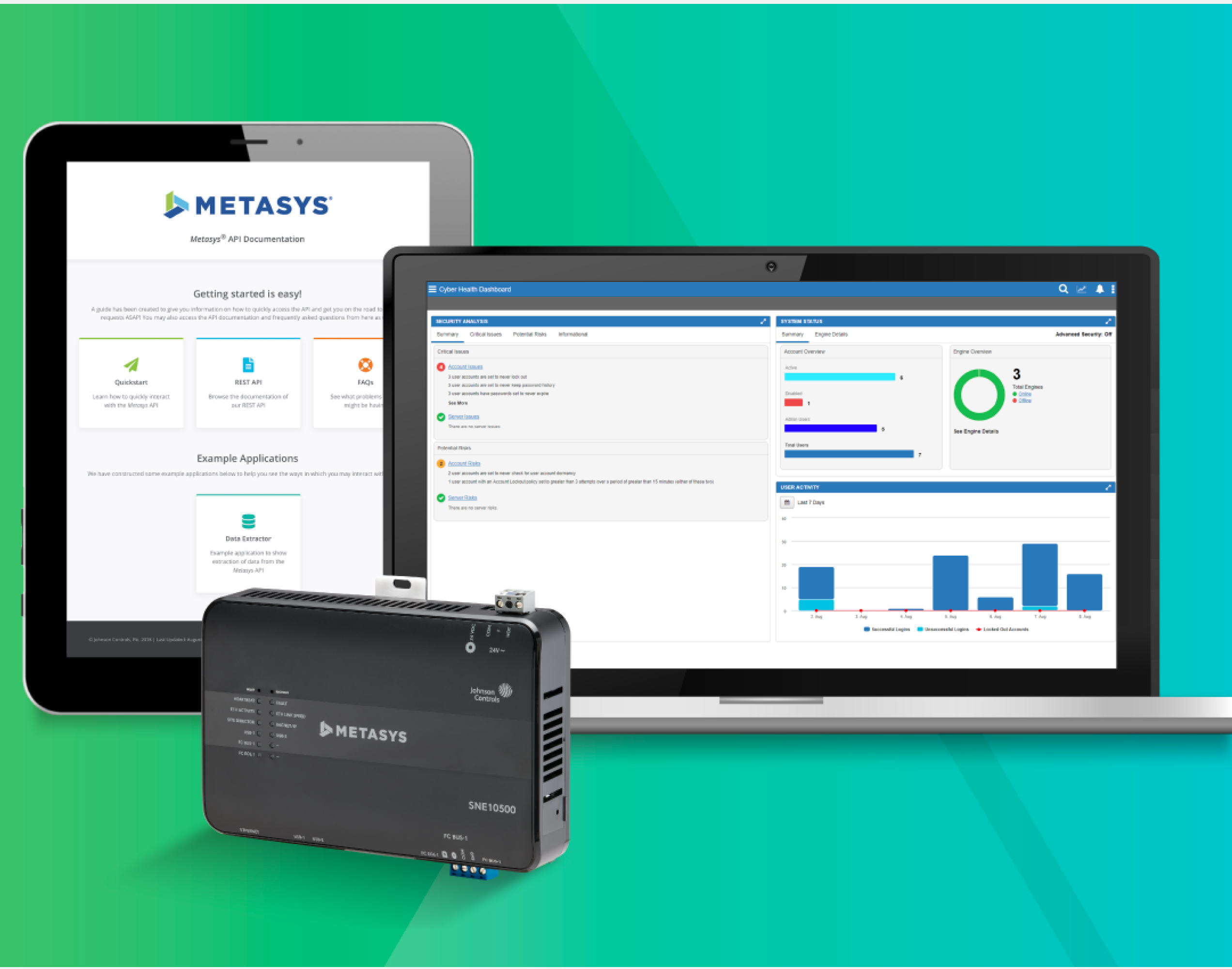
Explore the Metasys Building Automation System by Johnson Controls, a revolutionary solution integrating HVAC, lighting, and security systems into a centralized platform for enhanced energy efficiency, comfort, and operational excellence.

An overview of smart buildings, their technologies, benefits, and how they enhance energy efficiency, sustainability, and occupant comfort.

An overview of HVAC systems in data centers, exploring their types (CRAC & CRAH), challenges, and key considerations.