
The circular economy in HVAC is an approach that rethinks how heating, ventilation, and air‑conditioning systems are designed, operated, maintained, and eventually decommissioned. Rather than following the traditional linear model of “take, make, dispose,” which extracts raw materials, manufactures equipment, and discards it at end of life, a circular model aims to keep products, components, and refrigerants in use for as long as possible.
This means maximizing value at every stage of an HVAC system’s lifecycle by extending service life, improving efficiency, reusing or refurbishing components, and ensuring environmentally responsible end‑of‑life management. In practice, that looks like:
HVAC systems are often replaced when performance declines, even when the underlying causes can be addressed through maintenance, recommissioning, or targeted repairs.
A linear model leads to environmental impact that could be prevented through better lifecycle management.
Circular practices reduce lifecycle impact by extending equipment life through structured maintenance and targeted upgrades, recovering efficiency before replacement becomes necessary, and minimizing refrigerant-related emissions through leak detection, responsible servicing, and recovery at end of life.
Circularity is not one action. It is a chain of decisions across design, operation, service, and systems’ end of life.
Design decisions determine whether a system can be maintained and upgraded without premature replacement through:
Most circular wins in the HVAC industry happen before end of life through:
These practices retain value before recycling by keeping equipment and components in service for longer by:
End of life management is critical to circular economy practices because it determines whether materials and refrigerants are recovered effectively or sent to landfills. Key practices include:
Energy use typically accounts for the majority of HVAC systems’ total lifecycle emissions. Circular efficiency strategies focus on upgrading performance without discarding the entire system. These upgrades can include:
Many legacy HVAC systems use fixed-speed motors, so fans and pumps run at full speed whenever they are on, even when the building does not need full capacity. Adding variable-speed drives (VSDs) allows the system to reduce motor speed when demand is lower, which reduces energy consumption.
Advanced control systems improve part-load performance, optimize compressor staging, reset supply temperatures, and align operation with occupancy patterns. Smarter controls reduce unnecessary runtime and prevent energy waste during low-demand periods.
Components such as outdated compressors, motors, and heat exchangers can affect performance over time. Upgrading to high-efficiency alternatives improves the system’s coefficient of performance (COP) without requiring full system replacement.
Refrigerants require specific attention because they are regulated substances, meaning their handling, recovery, and disposal are governed by legal requirements and industry standards to prevent leaking into the environment.
Refrigerant recovery refers to collecting the refrigerant from an HVAC system into a dedicated recovery cylinder during servicing or decommissioning, instead of risking it being released into the air. This is a core circular practice because the recovered refrigerant can be reclaimed or discarded properly, reducing emissions.
The HVAC industry is also shifting toward lower-GWP refrigerants, which reduce the potential climate impact in the case of leakage.
Circular HVAC practices directly support Saudi Arabia’s sustainability and economic transformation objectives under Vision 2030.
Applying circular economy principles in the HVAC industry strengthens environmental performance by managing systems across their full lifecycle, including design, operation, maintenance, reuse, and end of life management. When equipment is kept efficient, refrigerants are handled responsibly, and materials are recovered rather than discarded, emissions are reduced, waste is minimized, and the useful life of installed systems is extended. This lifecycle mindset offers a practical, scalable path to reducing HVAC’s overall environmental impact.
At Johnson Controls Arabia, we apply circular economy principles through the way we design, manufacture, and service HVAC systems. Our YORK solutions are engineered for durability and high efficiency, reducing operational impact and helping customers get more value from existing assets. Through our servicing network, we maintain and upgrade systems to extend their useful life, improve performance, and avoid unnecessary replacement.
We also support the transition to lower-GWP refrigerants in our solutions, using environmentally responsible refrigerant options that reduce the climate impact associated with refrigerant leakage and align with broader sustainability targets.
Contact us today to learn more about our HVAC solutions.
Contact us to explore our products, get expert guidance, or find the optimal solution for your operations.

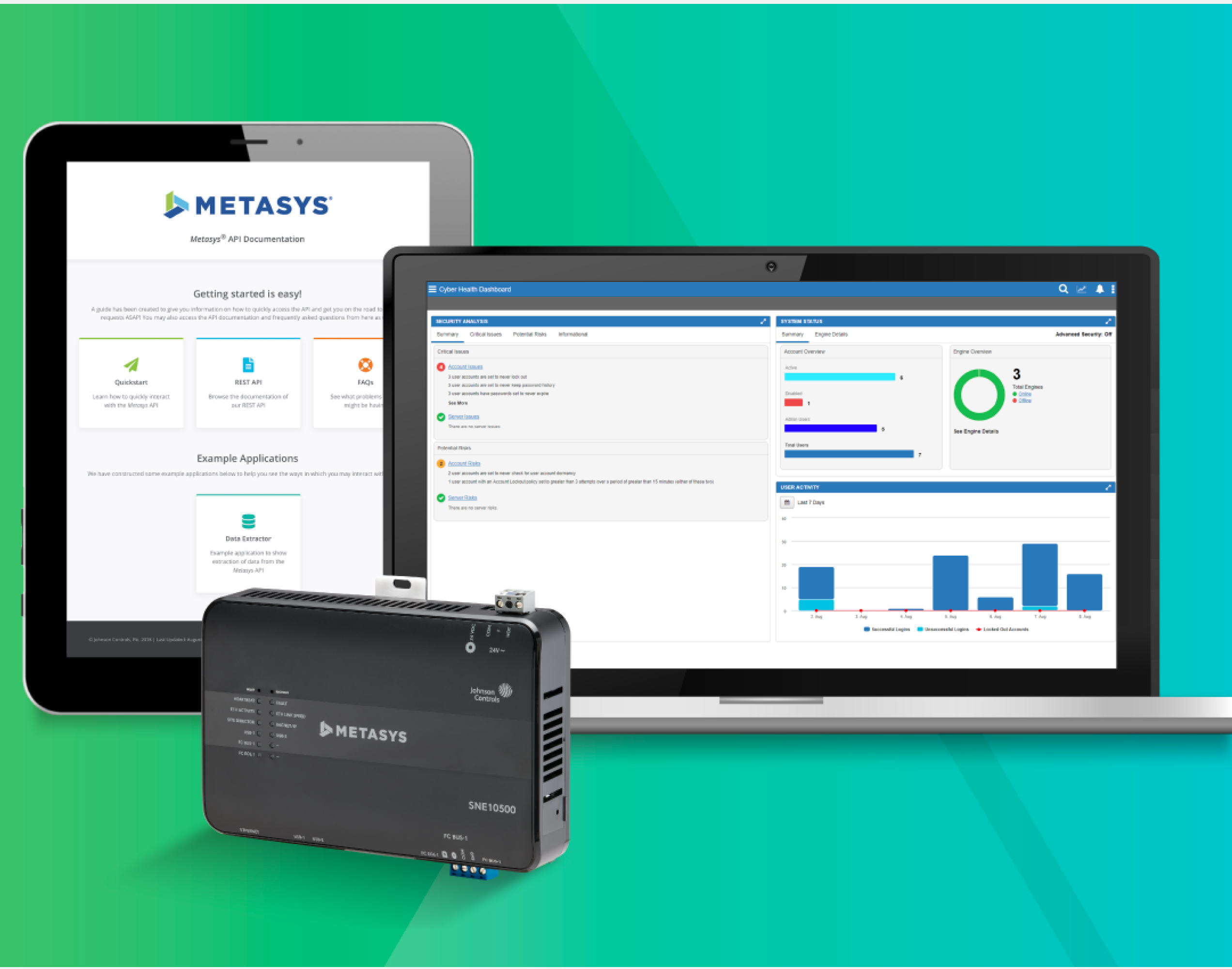
Explore the Metasys Building Automation System by Johnson Controls, a revolutionary solution integrating HVAC, lighting, and security systems into a centralized platform for enhanced energy efficiency, comfort, and operational excellence.

An overview of smart buildings, their technologies, benefits, and how they enhance energy efficiency, sustainability, and occupant comfort.
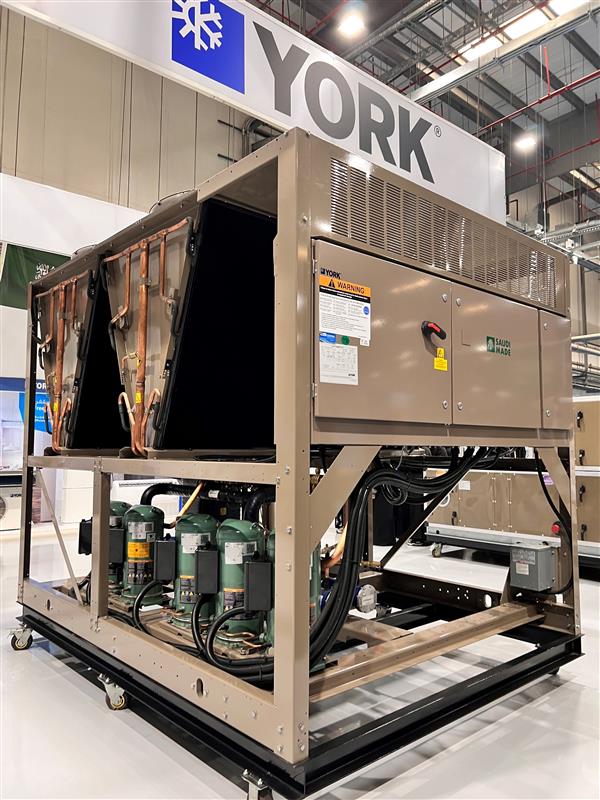
Discover the essential role of HVAC systems in modern infrastructure, including residential and commercial applications, types of systems, and the difference between HVAC and air conditioning.
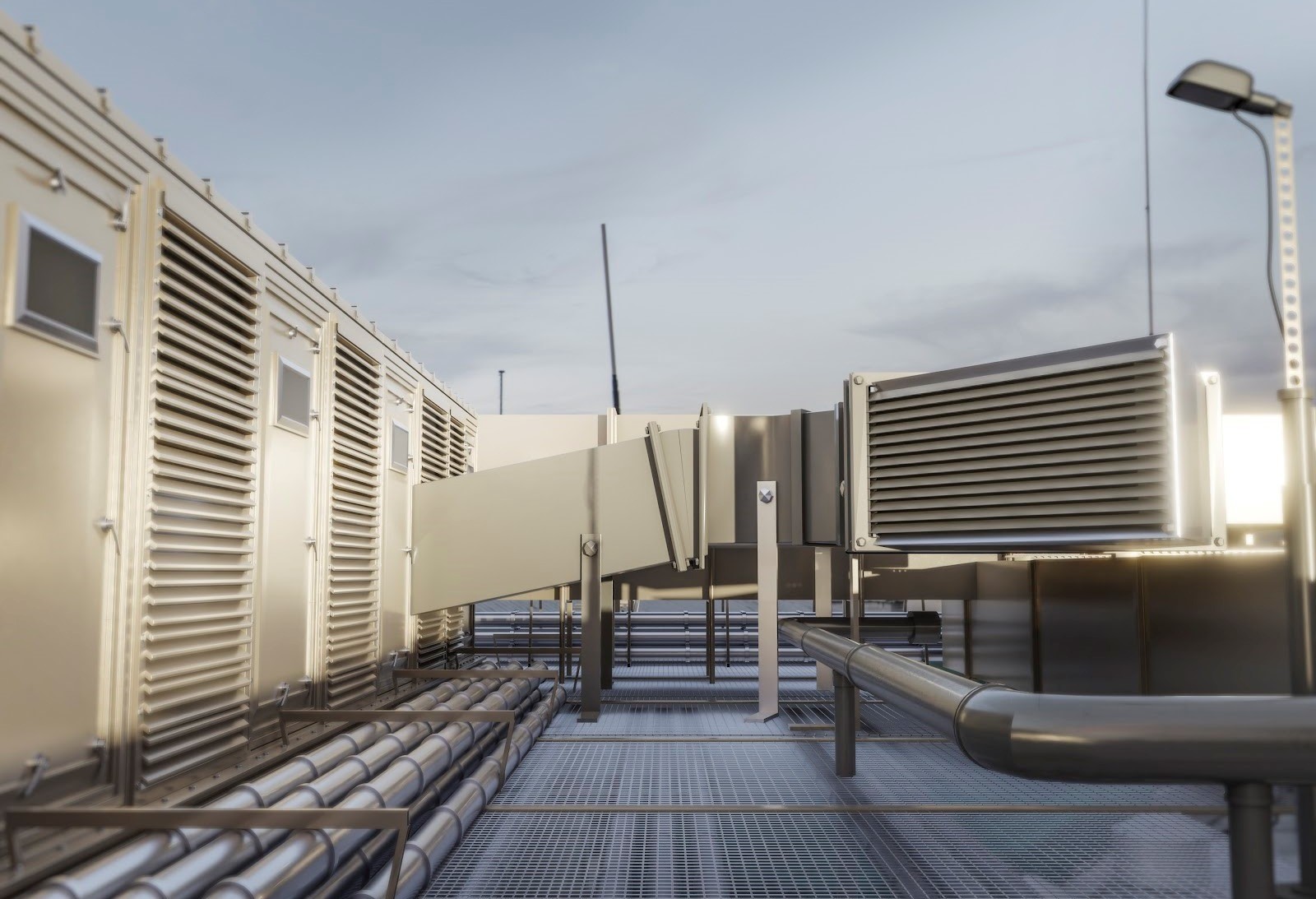
Compare VRF systems and traditional HVAC to find the best solution for your business. Learn about energy efficiency, cost savings, and smart temperature control.

Compare air-cooled and water-cooled chillers to find the best fit for your facility. Learn about how they work, their advantages & limitations.

A well-maintained commercial HVAC system plays a significant role in ensuring occupant comfort, maximizing energy efficiency, and creating a healthy indoor environment.

The integration of the Internet of Things (IoT) with Building Automation Systems (BAS) is transforming how buildings are managed, monitored, and optimized



